
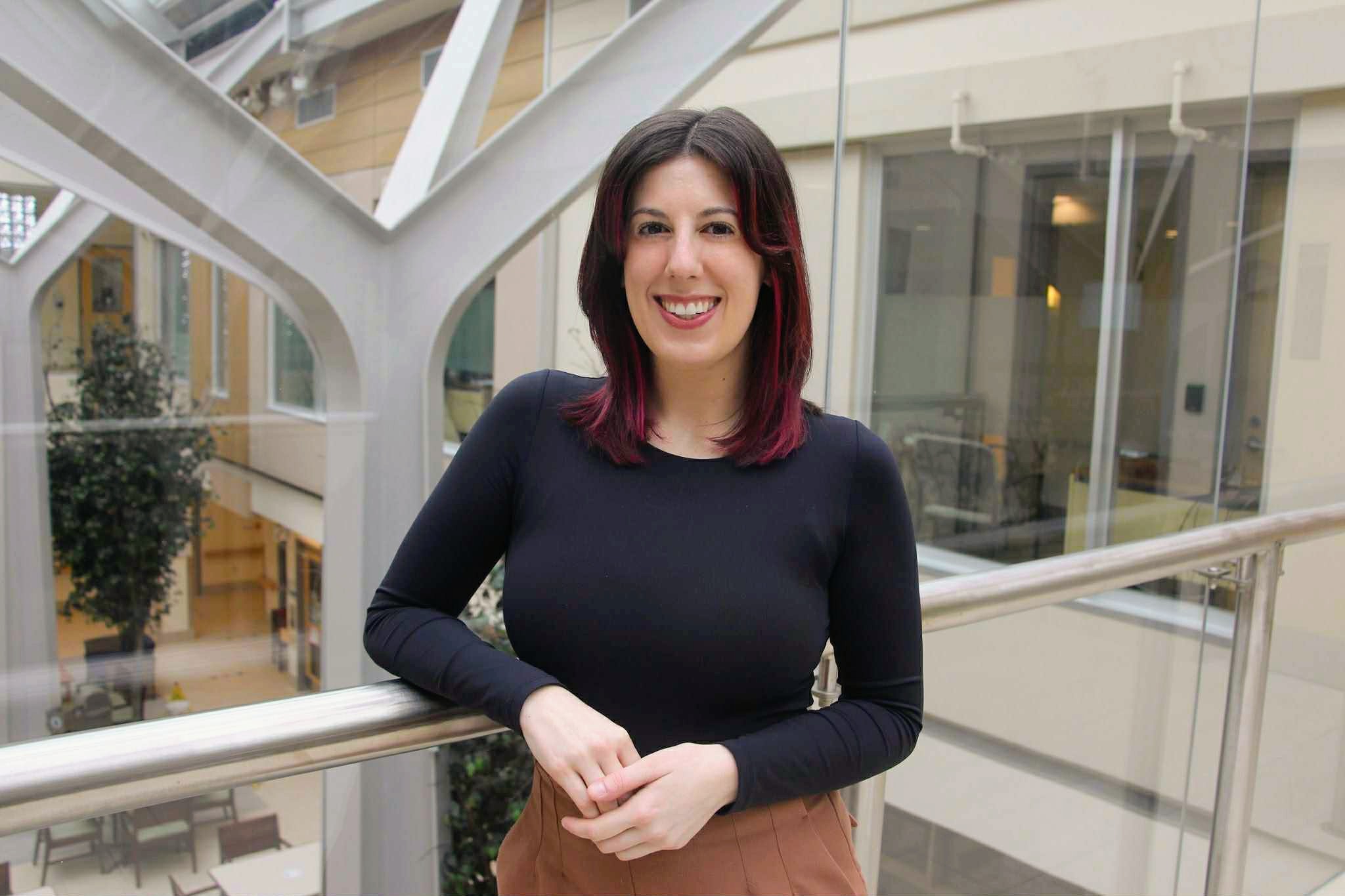
Registered Social Worker
As a social worker, I aim to help children, youth, and their families navigating emotional, behavioural, and relational challenges with greater understanding and confidence. I specialize in working with children ages 8 and up, youth, and caregivers who are facing concerns such as anxiety, depression, chronic emotion dysregulation, school avoidance, family conflict, self-harm, suicidal thoughts, disordered eating and past trauma.
I am passionate about helping adolescents build confidence in themselves and develop tools to manage overwhelming emotions. I often support young people who want to better understand themselves, break unhelpful patterns and develop coping strategies that feel realistic and sustainable. I also work closely with parents and caregivers, offering practical and evidence-based tools to help them better understand their child’s inner world, respond more effectively to emotional needs, and strengthen their relationship. My hope is to support families in feeling more regulated, confident, and connected to one another.
I believe that every child and parent is doing the best they can, especially during life’s most difficult moments. My approach is compassionate, non-judgmental, and collaborative. I tend to use a directive style to offer clear guidance when things feel overwhelming or unclear, and can step back when families are ready to take the lead. I also bring playfulness, curiosity, and humor into my work to help children and teens feel safe enough to explore and process painful emotions and experiences.
I am trained in a range of evidence-based approaches, including DBT, EFT, DDP, FBT, ERP, and CBT, and I integrate modalities such as Motivational Interviewing, Narrative Therapy, and Somatic Experiencing to meet each client’s unique needs. Please see below for more information on my training and the therapeutic modalities listed.
Outside of private practice, I work as a part-time social worker at The Royal Ottawa Mental Health Centre, supporting youth and families navigating complex mental health challenges. Please note that I am unable to provide services to current patients of The Royal or to individuals who have been discharged from The Royal within the past two years.
| Services Provided | Cost | Approx. Wait Time |
| Individual psychotherapy (for children, youth, or parents/caregivers) | $170 for a 60-minute session | Accepting new clients |
| Joint parent/caregiver-child sessions | $180 for a 60-minute session | Accepting new clients |
How to make an appointment:
I provide psychotherapy virtually and in-person on Fridays and alternating Thursdays.
I can be reached via email at amandaroccarsw@gmail.com
Approaches to Psychotherapy:
My practice is grounded in evidence-based approaches that consider how our genetics and environment shape us and how we respond to the world around us. I tailor and combine different techniques and approaches depending on your challenges and goals for therapy.
I have received formal training in the following modalities:
Dialectical Behaviour Therapy (DBT): DBT is an effective psychotherapy treatment for people who struggle with intense emotions. DBT helps people learn to manage, accept and change emotions through the use of practical skills and strategies. The core purpose of DBT is to help people improve their lives through a balance of acceptance and change, and ultimately to build “a life worth living.”
Emotion-Focused Therapy (EFT): EFT is a humanistic, evidence-based approach that draws from attachment theory. EFT focuses on creating a secure and safe emotional connection within oneself and with others through the development of emotional intelligence and awareness, communication and expression and emotional processing.
Dyadic Developmental Psychotherapy (DDP): DDP is a treatment approach for families of traumatized children or those with disorders of attachment. It was originally developed by Dan Hughes, an expert in attachment and trauma. DDP involves creating a safe space in which the therapist and the parent attune to the child’s emotions and reflect them back to the child by means of verbal and non-verbal strategies. The goal of this treatment is to co-construct an alternative narrative or understanding of a painful situation with the child. This therapy is family-focused and parents must be actively involved in treatment.
Cognitive Behavioural Therapy (CBT): CBT is a structured, present-focused goal-oriented treatment that helps to identify and change negative thought patterns and behaviors, teaching practical skills to manage a range of mental health challenges such as anxiety, depression and sleep difficulties. CBT focuses on the cycle between thoughts, emotions, behaviours and actions and works by breaking down challenging unhelpful thinking and developing healthier ways to cope.
Exposure Response Prevention Therapy (ERP): ERP is a specialized therapy, a form of Cognitive Behavioral Therapy (CBT), that helps people overcome anxiety-driven conditions like Obsessive-Compulsive Disorder (OCD) by slowly exposing them to the thoughts, images or objects that trigger their anxiety. They repeat these "exposures" over and over again, without acting out compulsions to neutralize or stop the fear. Overtime, the brain experiences "inhibitory learning" which helps by creating new, safety-based memories that inhibit old fear memories. The focus is on tolerating and teaching the brain that it is safe, rather than trying to completely get rid of or erase the OCD.
Family-Based Therapy for Eating Disorders (FBT): FBT is a treatment option for children and adolescents with an eating disorder or severe disordered eating. This treatment model relies heavily on parent and family involvement in re-feeding their child, using specific amounts of foods and scheduled mealtimes throughout the day. FBT centres around the idea that a child needs to regain weight to restore cognitive functioning which therefore requires parent intervention. FBT does not imply that families are responsible for the development of the eating disorders but acknowledges that every family has challenges that are difficult to deal with, and that families can work together to help overcome these issues.
Motivational Interviewing (MI): a collaborative approach that helps people find their own motivation to change their behavior by resolving ambivalence, focusing on acceptance, compassion, and evoking the reasons for change, rather than telling them what to do or pressuring change. It's an empathetic, non-judgmental process, often involving open-ended questions and active listening to strengthen one's commitment to change.
Additionally, I incorporate principles from Polyvagal Theory to help clients understand how their nervous system responds to stress and overwhelm, including overstimulation. My goal is to help children and youth feel more in control of their emotions and better able to regulate themselves throughout the day.
Clinical Experience:
I am a Registered Social Worker (#834110) in good standing with the Ontario College of Social Workers and Social Service Workers. I completed the Social Service Worker program at Algonquin College, followed by a Bachelor and Master of Social Work at Carleton University.
Since 2015, I’ve worked with youth, adults, and families across a variety of settings, including live-in treatment programs, community outreach, drop-in centres, and transitional-aged services. Much of my work has focused on mental health and crisis counselling as well as navigating the mental health system.
In 2019, I completed my Master’s practicum with the Canadian Mental Health Association’s Concurrent Disorders Program, co-facilitating groups focused on substance use and emotion regulation. That same year, I joined the Youth Services Bureau of Ottawa’s Bridges Program, where I provided therapy to youth with chronic and severe suicidal ideation and other mental health concerns, along with their caregivers.
I currently work at The Royal Ottawa Hospital in the youth outpatient program. I facilitate a DBT youth group and provide psychotherapy to youth and their families facing a variety of challenges such as school refusal, emotion dysregulation and social anxiety.
Availability
Fridays and alternating Thursdays – In-person and virtual appointments